
Robotics and Autonomous
-Systems
Engineering
Autonomous Systems and Robotics Division.
Delivery Bot
Design and development of mobile, industrial, and task-specific robotic systems, including control systems, actuators, sensors, and real-world automation use cases.
Drones & Aerial Systems (UAV)
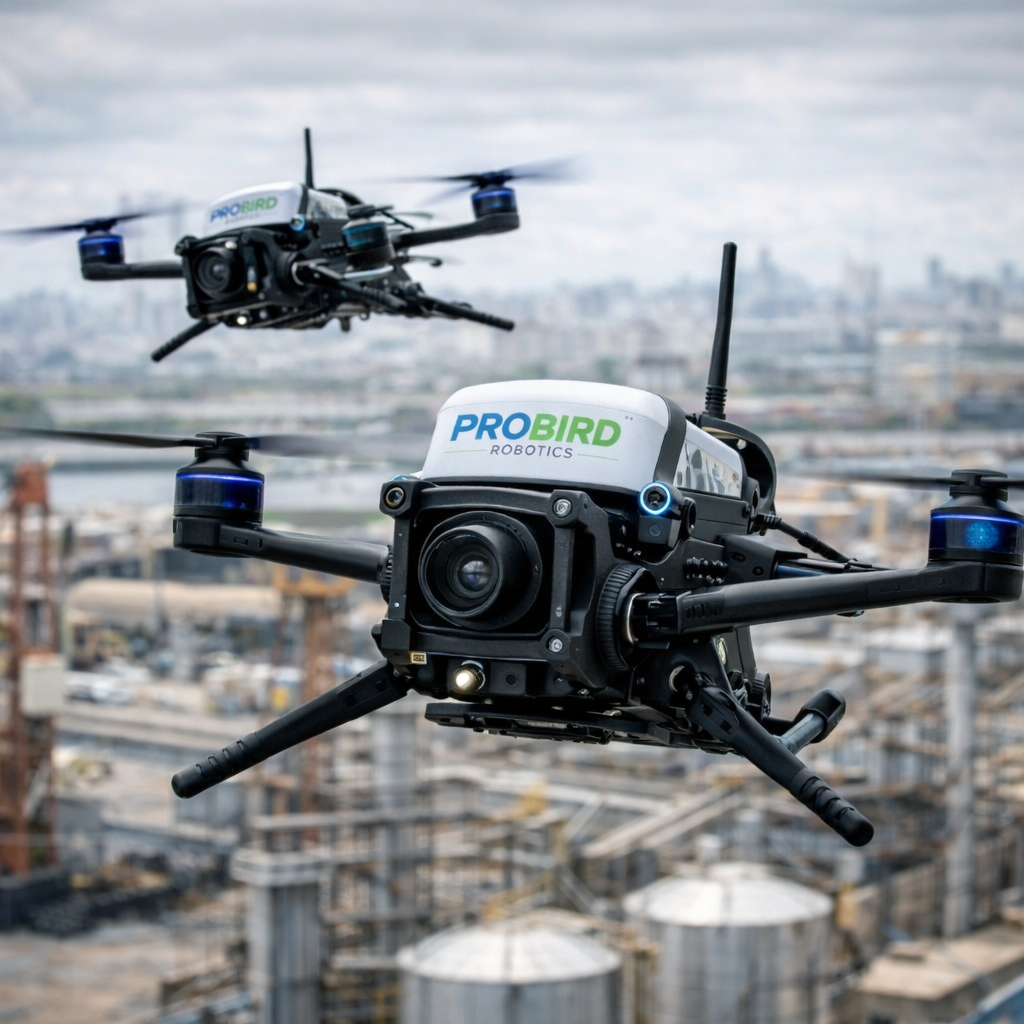
Research and development of advanced UAV platforms, flight control systems, payload integration, and autonomous navigation technologies. We design application-driven drone solutions for industrial inspection, environmental monitoring, surveillance, mapping, and experimental deployments.
Unmanned Ground Vehicles (UGV
Design and development of rugged ground-based robotic platforms for defense, industrial inspection, hazardous environment operations, and logistics support. Our UGV systems integrate terrain-adaptive mobility, sensor fusion, remote operation, and semi-autonomous capabilities for real-world deployment.
Rescue & Search Robots
Specialized robotic systems engineered for disaster response, search-and-rescue missions, and high-risk environments. These platforms incorporate thermal imaging, obstacle navigation, live telemetry, and remote-control systems to support emergency teams and improve operational safety.
Swarm Fleet
Specialized robotic systems engineered for disaster response, search-and-rescue missions, and high-risk environments. These platforms incorporate thermal imaging, obstacle navigation, live telemetry, and remote-control systems to support emergency teams and improve operational safety.
Robotics
Design and development of mobile, industrial, and task-specific robotic systems, including control systems, actuators, sensors, and real-world automation use cases.
Our Ongoing Projects
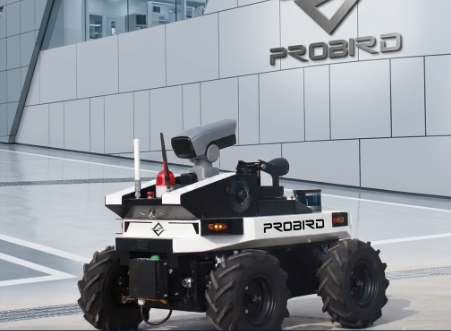
Multi-Domain Software-Defined Defense: Integrating AAS, UGV, and AI Infrastructure for
Sovereign Protection.
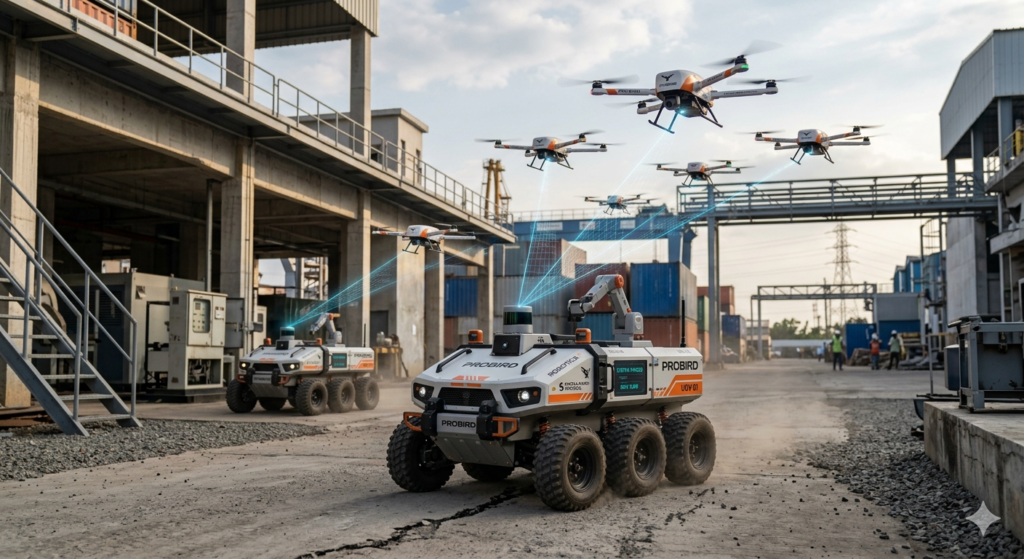
The Technology: Our proprietary software backbone that enables decentralized coordination between aerial and ground units.
How it Works: The “Raven” (UAV) provides a “god-view” map to the “Syntax” (UGV) on the ground. They share data in real-time to solve navigation puzzles that a single robot couldn’t handle.
Use-Case Scenario: Large-Scale Surveillance. In a massive warehouse or outdoor facility, a swarm of 10 drones and 5 rovers work together to map the entire area in minutes, identifying security breaches or inventory gaps automatically.
Future Projects
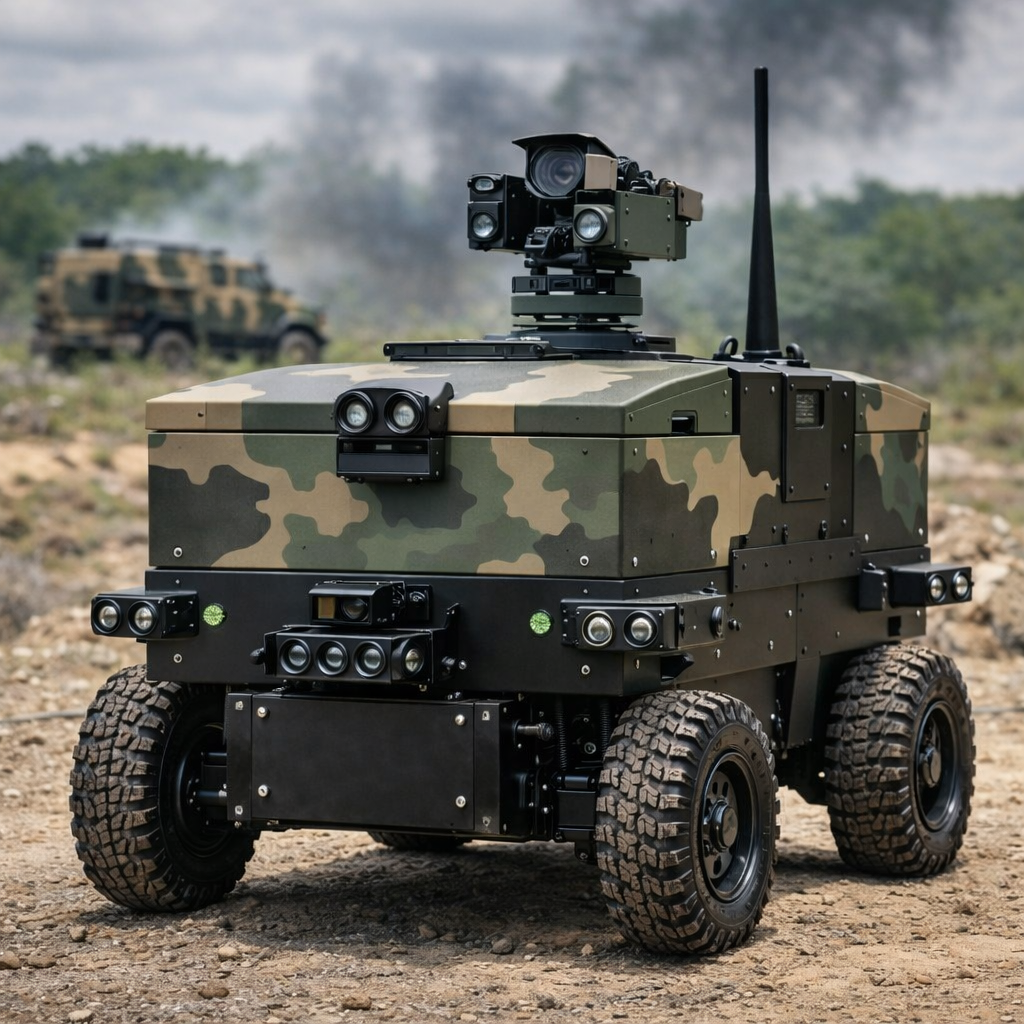
The Technology: The “Rigged Chassis” (P2/P3 Series)—a heavy-duty, all-terrain platform capable of carrying 50kg+ sensors or equipment.
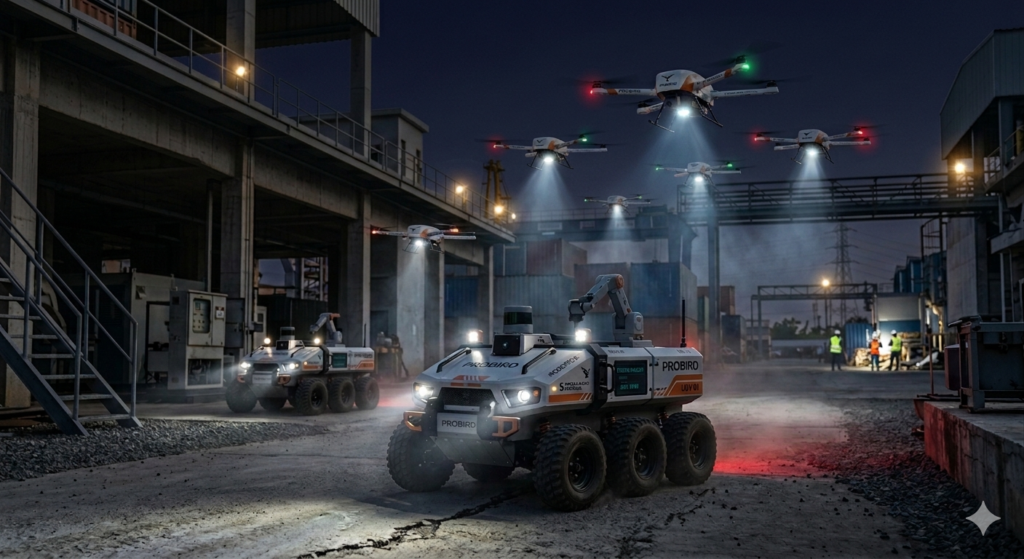
The Technology: Our proprietary software backbone that enables decentralized coordination between aerial and ground units.
Use-Case Scenario: Large-Scale Surveillance. In a massive warehouse or outdoor facility, a swarm of 10 drones and 5 rovers work together to map the entire area in minutes, identifying security breaches or inventory gaps automatically.
The Technology: Ruggedized, waterproof, and heat-resistant platforms equipped with multi-spectral cameras and life-sign sensors.
How it Works: Utilizing the Syntax-Raven Protocol, these bots can enter collapsed buildings or flooded areas where human entry is impossible, relaying 3D maps back to rescue teams.
Use-Case Scenario: Disaster Response. After a landslide or earthquake, Climate Bots are deployed to detect gas leaks and find trapped survivors using thermal imaging, significantly speeding up the “Golden Hour” response time.